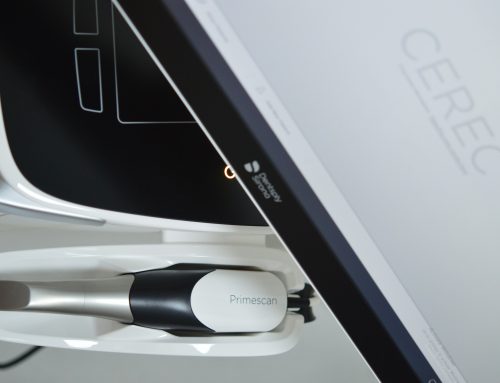
3D Printed Splints: How We Create Custom Dental Appliances
At SmileBright Dental, we create custom 3D Printed Splints using advanced digital technology and in-house 3D printing. Our mission is to deliver award-winning patient service and care while improving comfort, precision, and treatment efficiency for our patients.
One of the ways we do this is through the design and production of 3D Printed Splints and night guards directly within our practice. By combining modern equipment with hands-on team training, we ensure each appliance is carefully made, highly accurate, and comfortable to wear.
Below, we answer some common questions about this process

What are 3D Printed Splints and why might someone need one?
3D Printed Splints (also called night guards or occlusal guards) are custom-made dental appliances worn over the teeth. They are used when there is excessive pressure on the teeth and jaw from grinding, clenching, or bite imbalance.
Many people do not realise they grind their teeth — especially during sleep. Because the process is gradual, the damage often builds quietly before symptoms become obvious.
Teeth grinding and jaw clenching (bruxism) place repeated heavy force on the teeth, jaw joints, and surrounding muscles. Over time, this ongoing pressure can lead to a series of changes.

1. Tooth structure slowly wears away
Grinding rarely causes sudden damage. Instead, it causes progressive tooth wear.
Over time, teeth may:
- Become shorter or flattened
- Lose their natural enamel surface
- Become more sensitive
- Develop small chips or rough edges
Enamel does not grow back once lost. As teeth wear down, they become structurally weaker and more vulnerable to further damage.
2. Small cracks can turn into larger problems
Teeth under constant pressure can develop tiny fractures that may not be visible. These cracks can slowly deepen.
This can eventually lead to:
- Sharp pain when biting
- A tooth splitting unexpectedly
- Need for urgent dental treatment
Often, the tooth has been weakening for a long time before symptoms appear.
3. Jaw joints and muscles stay under tension
Grinding and clenching don’t just affect teeth. They overload the jaw joints (TMJ) and surrounding muscles.
Over time this can contribute to:
- Jaw tightness or soreness
- Clicking or popping in the joint
- Limited opening
- Morning headaches
- Facial or temple muscle fatigue
Because these muscles connect to the head and neck, the tension may spread beyond the mouth.
4. Bite changes can develop
When teeth wear down unevenly, the way they meet can gradually change. This may create:
- Uneven pressure on certain teeth
- Increased strain on some areas
- Continued wear in specific spots
These changes can slowly alter comfort and chewing function.
How do Splints help in these situations?
A custom 3D Printed Splint does not “cure” grinding, but it helps manage the effects of the condition by:
- Creating a protective barrier between teeth
- Reducing direct enamel-to-enamel contact
- Distributing pressure more evenly
- Helping overworked jaw muscles relax
The goal is to protect existing tooth structure and reduce the ongoing effects of constant pressure.
Why early management matters
Conditions like bruxism often develop gradually, which makes them easy to overlook. Addressing the issue earlier can help limit further tooth wear, reduce muscle strain, and lower the risk of more complex dental problems later.
Our approach is not to recommend appliances unnecessarily, but to help patients understand what may be happening and what the natural progression of the condition can be if left unmanaged.
How do we design 3D Printed Splints using digital technology?
We use digital scanning and advanced design software instead of traditional moulds.
We scan the teeth in detail, and our clinical team designs 3D Printed Splints on-screen in 3D. This allows us to carefully control:
-
The shape and fit
-
The thickness and strength
-
Bite balance
-
Smooth edges for comfort
We have invested in modern equipment including a full-mouth OPG/CBCT X-ray machine, an in-house dental crown milling system, and the latest high-tech 3D printer from Dentsply Sirona. These technologies allow us to plan and produce treatments with greater precision and efficiency.

How do 3D Printed Splints improve comfort and protection?
Manufacturing 3D Printed Splints in-house allows us to:
-
Produce highly accurate, custom appliances
-
Use strong, dental-grade materials
-
Maintain consistent quality
-
Reduce turnaround times, in many cases from weeks to as little as one day
Each splint is printed layer by layer, then professionally cleaned, cured, finished, and polished before fitting. Having this technology in-house gives us greater control over quality and allows us to deliver modern, efficient care.
How does our high-tech 3D printer create 3D Printed Splints?
To manufacture our 3D Printed Splints, we use the advanced Primeprint 3D printing system developed by Dentsply Sirona. This is a medical-grade dental printer designed specifically for producing precise dental appliances.
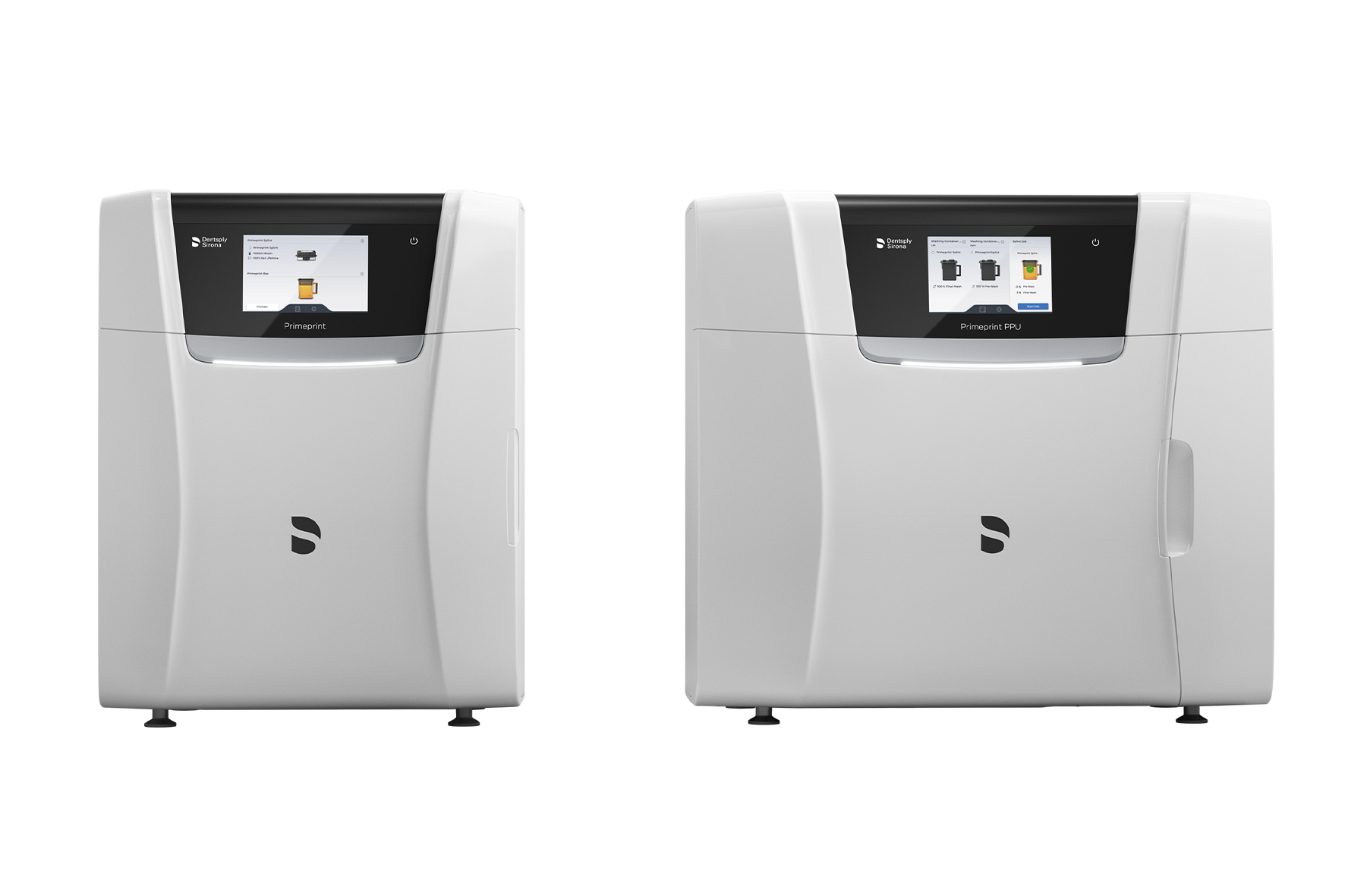
The process combines digital design, automated printing, and controlled post-processing to ensure consistent quality.
Step 1: Digital design
After scanning the teeth, the appliance is designed using specialised dental software. Every detail — fit, thickness, edges, and bite relationship — is reviewed in 3D before manufacturing begins.
Step 2: Automated 3D printing
The design file is sent to the Primeprint system. The printer builds the splint layer by layer using a dental-grade resin material. Each thin layer is precisely cured with controlled light exposure, allowing the appliance to form with high accuracy and fine detail.
The system manages:
- Material handling
- Layer thickness control
- Print orientation
- Environmental conditions
This automation helps maintain consistency and reduces variability between appliances.
Step 3: Controlled cleaning and curing
Once printing is complete, the appliance moves to the Primeprint post-processing unit. Here, it is cleaned to remove residual material and then cured under controlled light conditions to reach its final strength and stability.
Step 4: Finishing and inspection
After post-processing, supports are removed and the appliance is polished and checked by our team. Edges are smoothed for comfort, and the fit is reviewed before it is provided to the patient.
Using this system allows us to produce 3D Printed Splints with:
- High dimensional accuracy
- Smooth surface detail
- Consistent material strength
- Reliable, repeatable quality
This combination of digital planning, automated manufacturing, and professional finishing supports our goal of delivering precise, comfortable dental appliances.
Why does team training matter when creating 3D Printed Splints?
At SmileBright Dental, our mission is to provide award-winning patient service and care. Everything we do is guided by one ongoing question:
“How can we improve and provide an even better experience for our patients?” For us, this means continually investing in both advanced technology and in the skills of our team.
Modern dentistry allows us to diagnose more accurately, plan more precisely, and deliver treatments more efficiently. To support this, we have invested in:
- A full-mouth 3D OPG/CBCT X-ray system for detailed diagnostics
- An in-house dental crown milling machine for precise restorations
- The latest high-tech 3D printer from Dentsply Sirona for producing custom dental appliances such as 3D Printed Splints
Having this technology within our practice allows us to maintain control over quality, reduce treatment times, and provide more consistent outcomes. However, technology alone is not enough. We believe that equipment only achieves its potential when used by a knowledgeable and confident team. That is why we place strong focus on staff education and hands-on training. Our management team actively coaches and mentors staff to ensure they are highly skilled in using digital systems, 3D printing workflows, and modern dental equipment.
These are not just workplace skills, they are professional abilities our team members carry throughout their careers. Our dedicated staff approach their work with care and attention to detail. Through experience and training, they have developed strong skills in creating well-made, precise dental appliances using digital design and 3D printing technology.
We believe that when we invest in our team, our team can provide the highest level of care to our patients. This commitment to both technology and training allows SmileBright Dental to continue delivering modern, efficient treatments while maintaining a strong focus on comfort, safety, and quality.

What does this mean for our patients?
Using 3D Printed Splints and modern workflows allows us to provide:
-
Better-fitting appliances
-
Greater comfort
-
More predictable results
-
Faster and more efficient treatments
-
Care delivered by a skilled, well-trained team

If you have noticed jaw discomfort, worn teeth, or morning tension, a dental assessment can help clarify what may be happening and what steps could support your long-term oral health. You can arrange a visit with our team at a time that suits you here:
👉 https://smilebrightdental.com.au/book-online/